

Aluminum Anodizing Explained: Process, Types, and Industrial Applications
Introduction
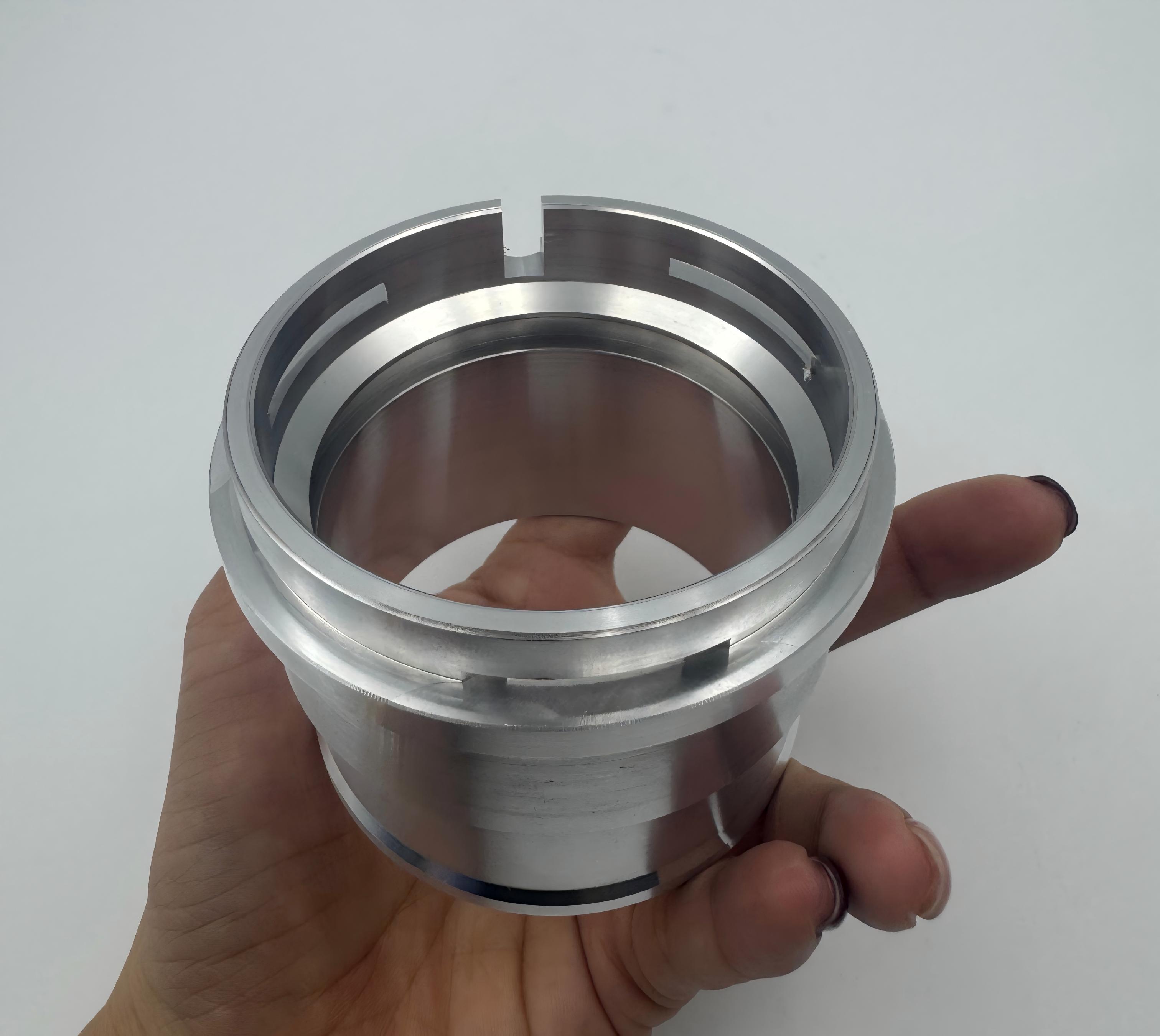
Aluminum has long been a cornerstone material in manufacturing, prized for its excellent mechanical properties, wide range of alloys, cost-effectiveness, and abundance. However, to unlock its full potential—particularly in demanding environments—manufacturers turn to surface treatment processes that enhance performance and longevity. Among these, aluminum anodizing stands out as one of the most reputable and widely adopted industrial surface treatments.
But what exactly is anodizing, and why is it so critical across industries like aerospace, automotive, and architecture? This comprehensive guide walks you through the aluminum anodizing process, its various types, the tangible benefits it delivers, and its real-world applications. Whether you're an engineer specifying surface finishes or a procurement professional evaluating suppliers, understanding anodizing is key to making informed decisions for your projects.
What Is Aluminum Anodizing?
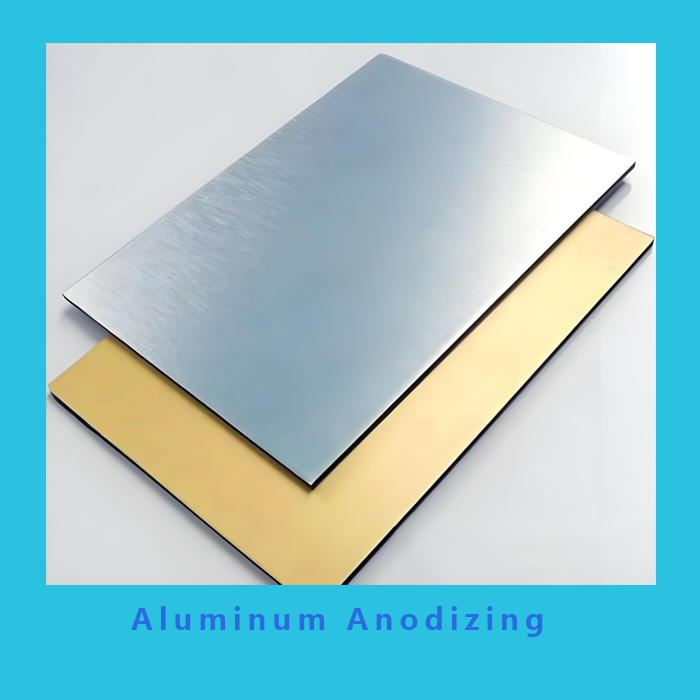
At its core, aluminum anodizing is an electrochemical process that thickens and enhances the natural oxide layer on the surface of aluminum. Unlike paint or plating, which add a separate layer on top of the metal, anodizing transforms the aluminum surface itself into aluminum oxide (Al₂O₃)—a harder, more durable, and corrosion-resistant material that is integrally bonded to the base metal.
This process not only increases surface hardness and wear resistance but also provides excellent adhesion for dyes and paints, making it a versatile solution for both functional and aesthetic applications. The anodized layer is porous immediately after formation, which allows for color integration before sealing locks in the finish.
How the Aluminum Anodizing Process Works
The aluminum anodizing process is a multi-step electrochemical procedure that requires precise control over temperature, current density, and electrolyte concentration. Here’s a step-by-step breakdown:
Step 1: Surface Preparation
Before anodizing can begin, the aluminum surface must be thoroughly cleaned to remove oils, grease, dirt, and any natural oxide from prior processes like machining or extrusion. This step is critical—any contamination can lead to uneven coating and poor adhesion. An optional etching step may be applied to create a uniform matte texture and remove minor surface imperfections.
Step 2: Electrochemical Reaction
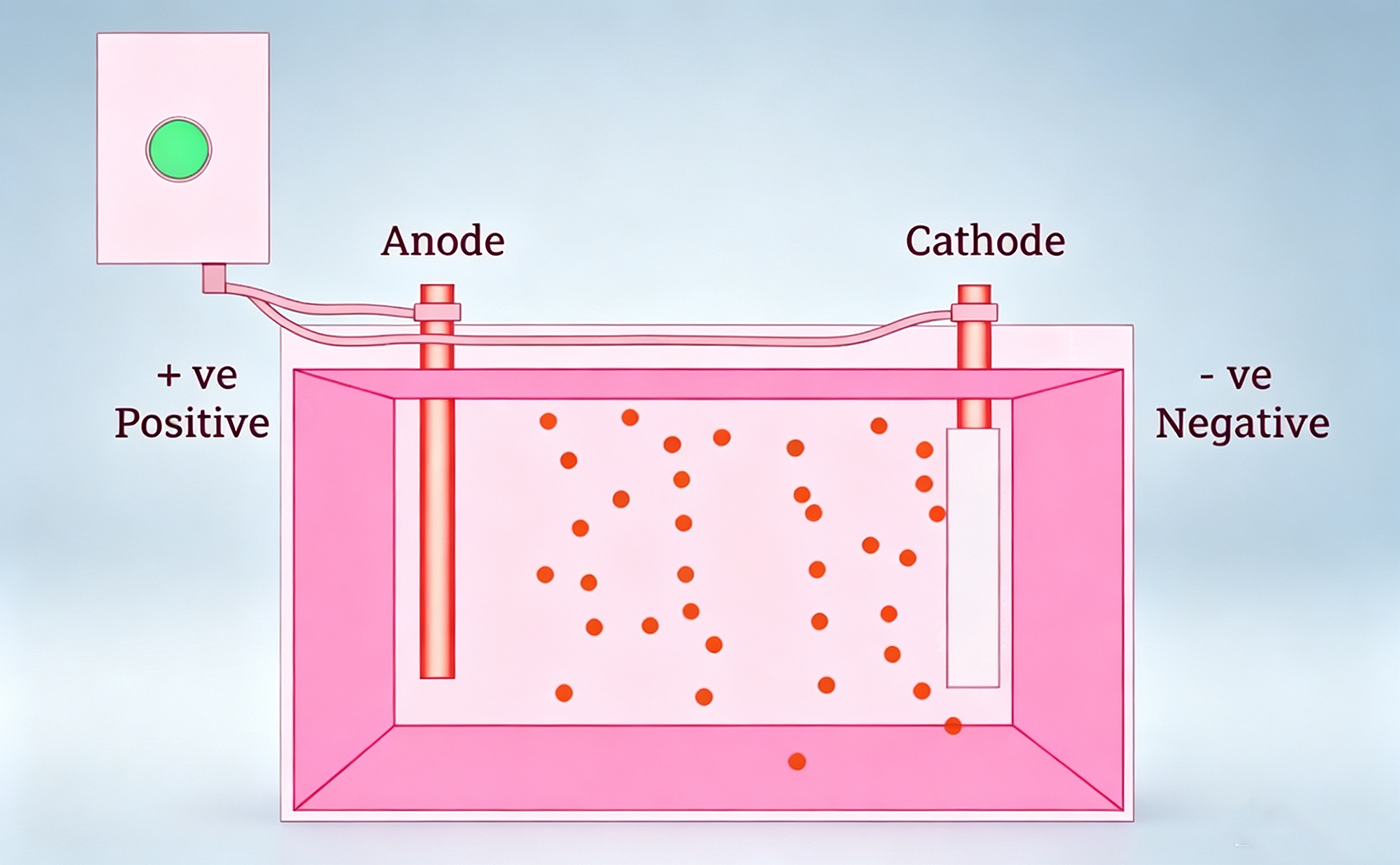
The cleaned aluminum part is immersed in an acidic electrolyte bath—typically sulfuric acid for most commercial applications—and connected to the positive terminal (anode) of an electrical circuit. A cathode (negative electrode) is also placed in the bath. When current is applied, oxygen ions from the electrolyte migrate to the aluminum surface and bond with aluminum atoms, forming a thick, porous aluminum oxide layer.
This oxide layer grows inward from the surface, making it significantly more durable than applied coatings. The thickness of the layer can be controlled by adjusting current density, processing time, temperature, and electrolyte concentration.
Step 3: Coloring (Optional)
Because the anodized oxide layer is porous, it can readily absorb dyes or metal salts. Immersing the anodized part in a dye bath allows color to penetrate the pores, resulting in vibrant, long-lasting finishes. Common colors include black, gold, bronze, and a wide range of custom shades.
Step 4: Sealing
The final step is sealing, which closes the pores of the oxide layer to lock in color and enhance corrosion and wear resistance. This is typically achieved by immersing the part in hot water or a nickel acetate solution, which hydrates the oxide and seals the surface. Proper sealing is essential for maximizing the durability of the anodized finish.
Three Main Types of Aluminum Anodizing
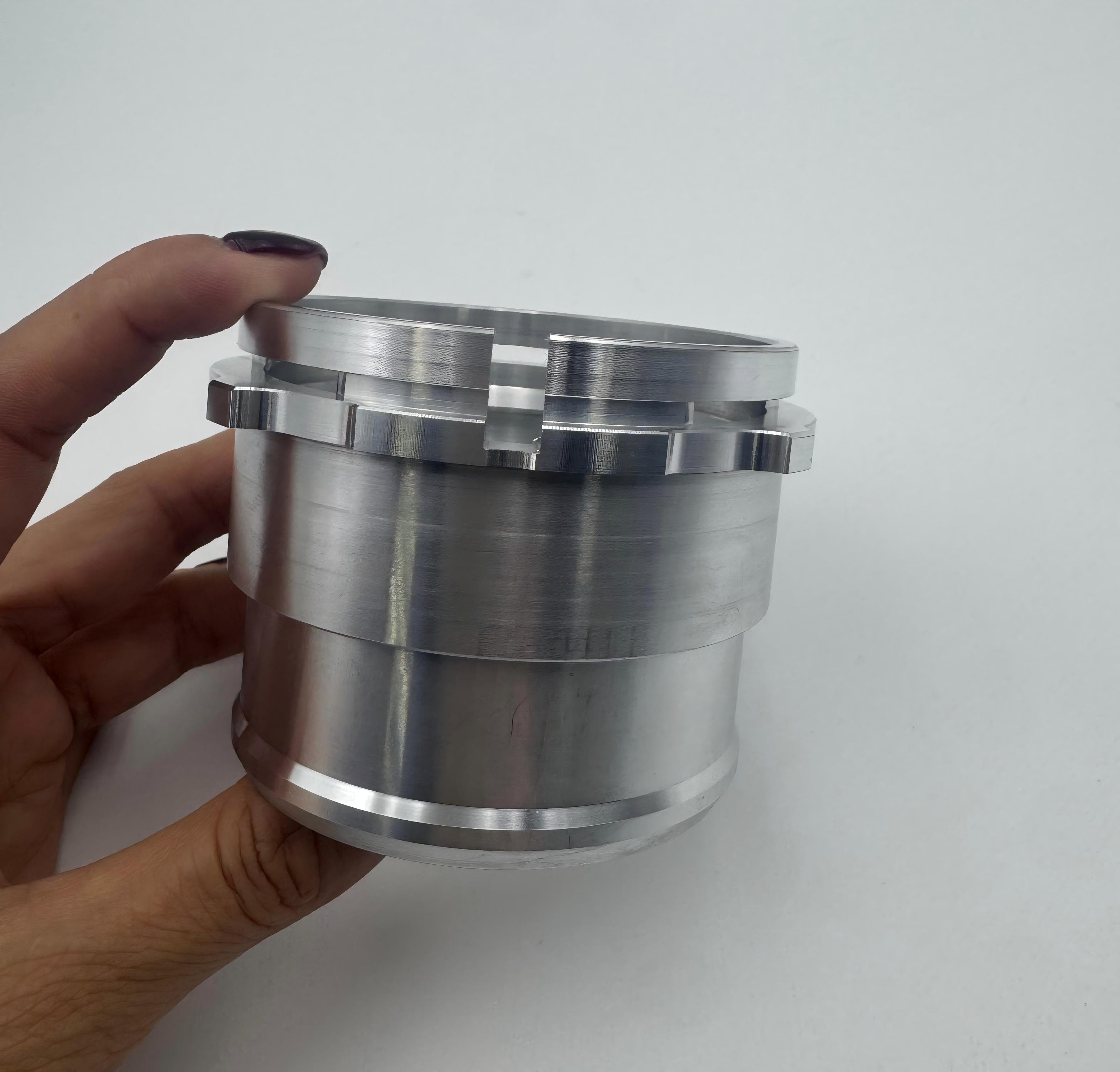
Not all anodizing is created equal. Depending on the intended application, manufacturers choose from three primary types, each offering distinct characteristics in terms of thickness, hardness, and corrosion resistance.
Type I: Chromic Acid Anodizing
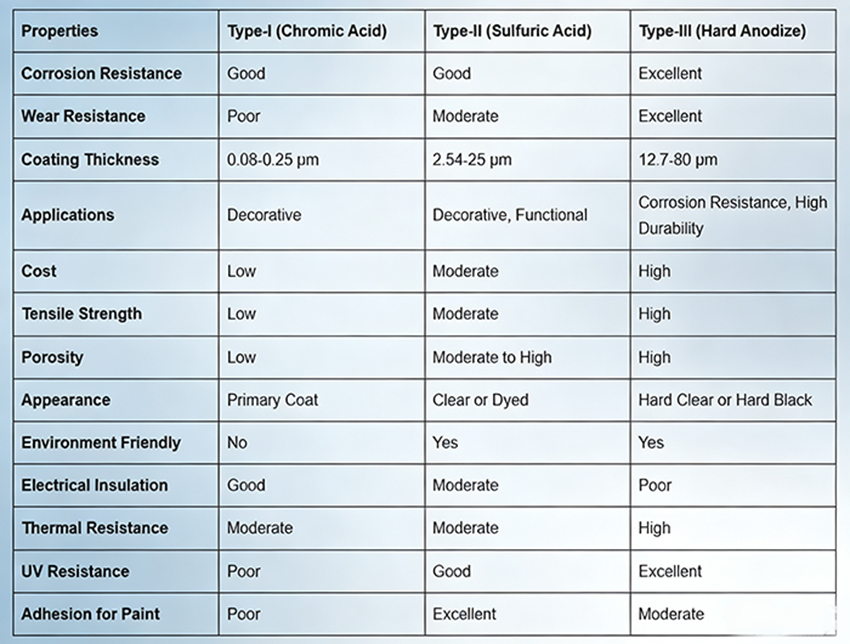
Type I anodizing uses a chromic acid electrolyte to produce a thin oxide layer, typically ranging from 0.08 to 2.5 microns (or 2–5 μm) in thickness. This method offers excellent corrosion resistance with minimal dimensional growth, making it ideal for aerospace and defense applications where tight tolerances are critical. However, it provides the least color absorption and is increasingly restricted due to environmental concerns over hexavalent chromium compounds.
Best for: Aerospace components, precision parts, and applications requiring minimal coating thickness.
Type II: Sulfuric Acid Anodizing
Type II anodizing is the most commonly used method, employing sulfuric acid as the electrolyte. The oxide layer typically ranges from 2.5 to 25 microns in thickness, offering a good balance of corrosion resistance, wear protection, and dye absorption. This type is widely used for architectural, decorative, and consumer goods due to its broad chromatic range and cost-effectiveness.
Best for: Architectural components, consumer electronics, automotive trim, and general-purpose applications.
Type III: Hardcoat Anodizing
Type III, also known as hardcoat anodizing, is the heavy-duty option. It produces a dense oxide layer ranging from 25 to 150 microns in thickness, with hardness values reaching 400–600 HV or higher (70 Rockwell C or above). This process is conducted at low temperatures (0–5°C) with high current densities, resulting in exceptional abrasion and corrosion resistance.
Best for: Medical devices, aerospace components, industrial machinery, hydraulic systems, and other demanding applications
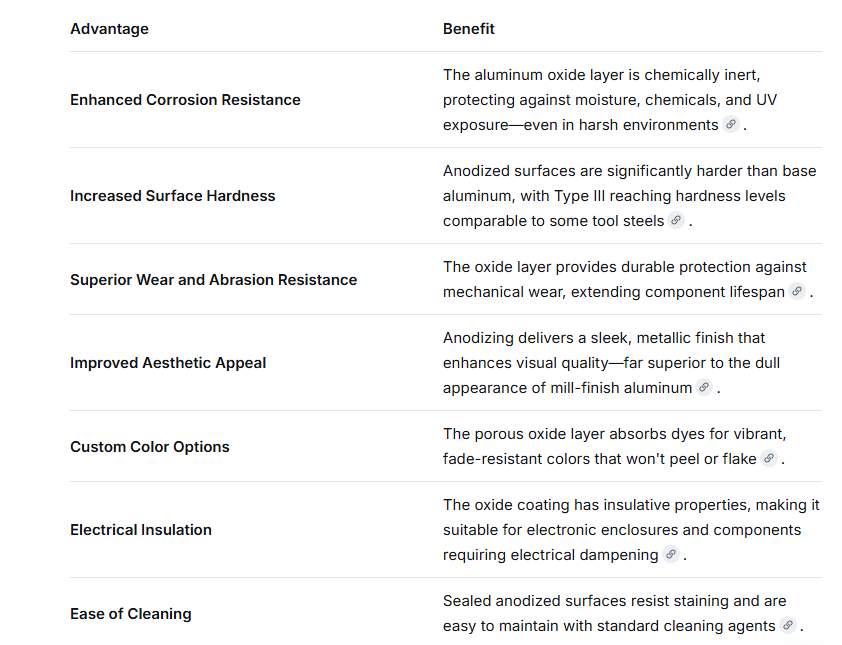
Key Advantages of Anodized Aluminum vs. Non-Anodized Aluminum
Choosing anodized aluminum over untreated material delivers a host of performance benefits that justify the surface treatment cost.
Limitations and Considerations
While aluminum anodizing offers numerous advantages, it's important to be aware of its limitations:
Material Restriction: Anodizing is primarily suitable for non-ferrous metals like aluminum, titanium, and magnesium. It cannot be applied to steel or other ferrous materials.
Thickness and Cost: Achieving thicker coatings requires more energy and process control, increasing costs.
Fatigue Strength Reduction: Anodizing can reduce the fatigue strength of aluminum components by 30–60% in some cases, depending on the alloy and process parameters.
Brittleness: The oxide layer is hard but brittle, and may crack under impact or bending.
Surface Sensitivity: Surface imperfections become more visible after anodizing, requiring careful pre-treatment.
Industrial Applications of Aluminum Anodizing
The versatility of aluminum anodizing makes it indispensable across a wide range of industries.
Aerospace
The aerospace industry relies on anodized aluminum for airframe skins, helicopter rotor blades, landing gear, satellite components, and avionic cases. Anodizing enhances corrosion protection and hardness without compromising the critical strength-to-weight ratio of aluminum components.
Automotive
From wheels to engine components, anodized aluminum parts benefit from superior corrosion resistance and durability in harsh under-hood and exterior environments. The ability to add color also enhances aesthetic appeal for visible trim and accessories.
Architecture and Construction
Anodized aluminum is prized in architecture for its durability, color retention, and low maintenance. It's widely used in window frames, curtain walls, handrails, roofing systems, and decorative facades.
Consumer Goods and Homeware
Anodizing delivers the perfect blend of quality, aesthetics, and functionality for consumer products. From coffee makers and microwaves to aluminum lampshades and decorative items, anodized finishes provide beauty, longevity, and lightweight performance.
Methods for Removing Anodizing
Sometimes, removing an existing anodized layer is necessary for re-coating or repair. Common methods include:
Caustic Soda Solution: Immersing the part in sodium hydroxide dissolves the anodized layer efficiently for large batches, but requires careful handling.
Nitric Acid Solution: Effective for parts with simple geometry, though less suitable for complex shapes.
Mechanical Methods (Sanding/Grinding): Simple and chemical-free, but labor-intensive and risks damaging the aluminum if not done carefully.
Conclusion
Aluminum anodizing remains one of the most reliable and versatile surface treatments available for aluminum components. By forming a controlled, integral oxide layer, anodizing dramatically enhances corrosion resistance, surface hardness, wear protection, and aesthetic appeal—making it the go-to choice for industries ranging from aerospace to architecture.
However, selecting the right anodizing type and thickness is crucial for optimal performance. Understanding the trade-offs between Type I, Type II, and Type III anodizing ensures you make the best decision for your specific application requirements.
At OFNITI Hardware (www.ofinitihardware.com), we specialize in precision aluminum anodizing and other surface finishing services for a wide range of industries. Whether you need decorative finishes or hardcoat anodizing for demanding environments, our expertise ensures consistent, high-quality results. Contact us today to discuss your project needs.
Frequently Asked Questions (FAQs)
1. Does anodized aluminum rust?No. Anodized aluminum does not rust because the aluminum oxide coating is impervious to oxidation and corrosion agents. Unlike iron-based metals, aluminum does not form red rust—it forms a stable, protective oxide layer.
2. What happens if aluminum is not anodized?Untreated aluminum is susceptible to corrosion, wear, and abrasion, particularly in harsh environments like marine or industrial settings. Anodizing provides essential protection that extends component lifespan.
3. Can anodized aluminum be painted or re-coated?Yes. Anodized aluminum can be painted or re-coated, but proper surface preparation is essential. In some cases, the existing anodized layer must be removed to ensure optimal adhesion of the new finish.
4. Is anodizing better than powder coating?It depends on the application. Anodizing creates a thin, durable, corrosion-resistant oxide layer that is integral to the aluminum surface. Powder coating offers a thicker, more colorful, and impact-resistant finish but can chip or peel over time. Anodizing is typically preferred for aluminum components where dimensional accuracy and metallic aesthetics are important.
5. What can damage anodized aluminum?Highly abrasive materials (with hardness greater than the oxide layer) and corrosive chemicals can damage anodized surfaces. Strong acids or alkalis, as well as mechanical abrasion, can compromise the protective layer over time.