

What is CNC machining? From Basic Processes to Advanced Manufacturing Solutions
Introduction
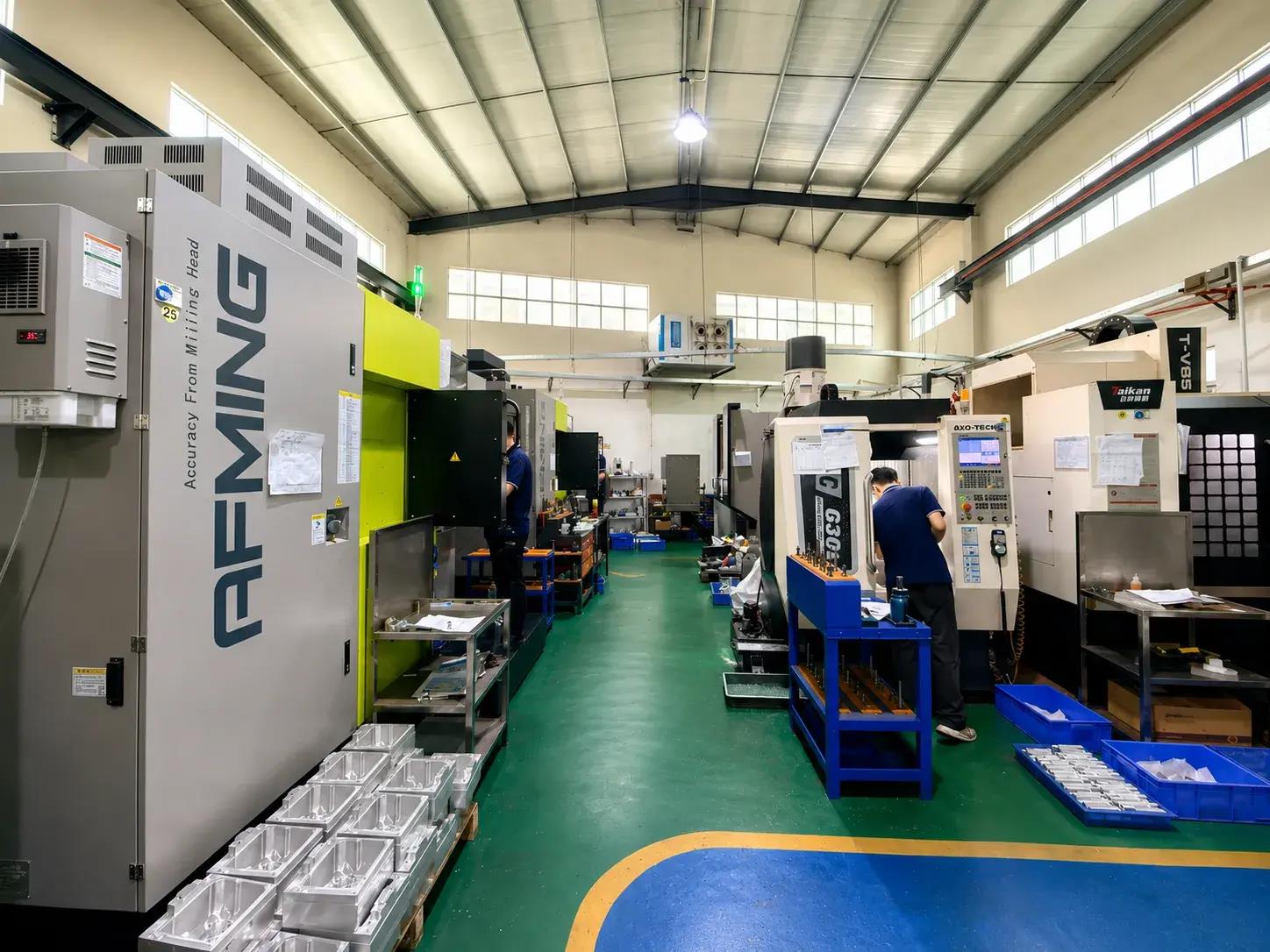
Computer Numerical Control (CNC) machining has fundamentally transformed modern manufacturing. By leveraging computer-controlled systems to guide cutting tools with exceptional accuracy, this technology produces millions of parts daily—from simple brackets to complex aerospace components.
What makes CNC machining indispensable? The process delivers unmatched precision, repeatability, and speed across virtually all materials, including metals, plastics, composites, and even wood. Whether you need a single prototype or a high-volume production run, CNC machining offers the flexibility and reliability that industries demand.
In this comprehensive guide, we'll explore the core CNC processes, examine key technologies like laser cutting and electrical discharge machining, review common materials and finishes, and highlight why CNC manufacturing is the backbone of Industry 4.0.
What Is CNC Machining? Understanding the Fundamentals
At its core, CNC precision machining is a subtractive manufacturing process. Computer-controlled machines and tools systematically remove material from a solid workpiece to achieve the desired shape, dimensions, and surface quality.
This approach differs fundamentally from:
Formative methods (e.g., injection molding)—where material is shaped in a mold
Additive methods (e.g., 3D printing)—where material is built layer by layer
CNC machining removes material, offering distinct advantages when tight tolerances, complex geometries, and superior surface finishes are required. The process encompasses a diverse family of techniques, each suited to specific part geometries and production requirements.
Key Characteristics of CNC Machining
Tight tolerances—achieving ±0.005″ or better
Excellent surface finishes—standard Ra 3.2 μm, with finer finishes available
Material versatility—virtually any machineable material can be processed
Repeatability—identical parts across thousands of cycles
Automation—reduced manual intervention and human error
The Complete CNC Operations Guide
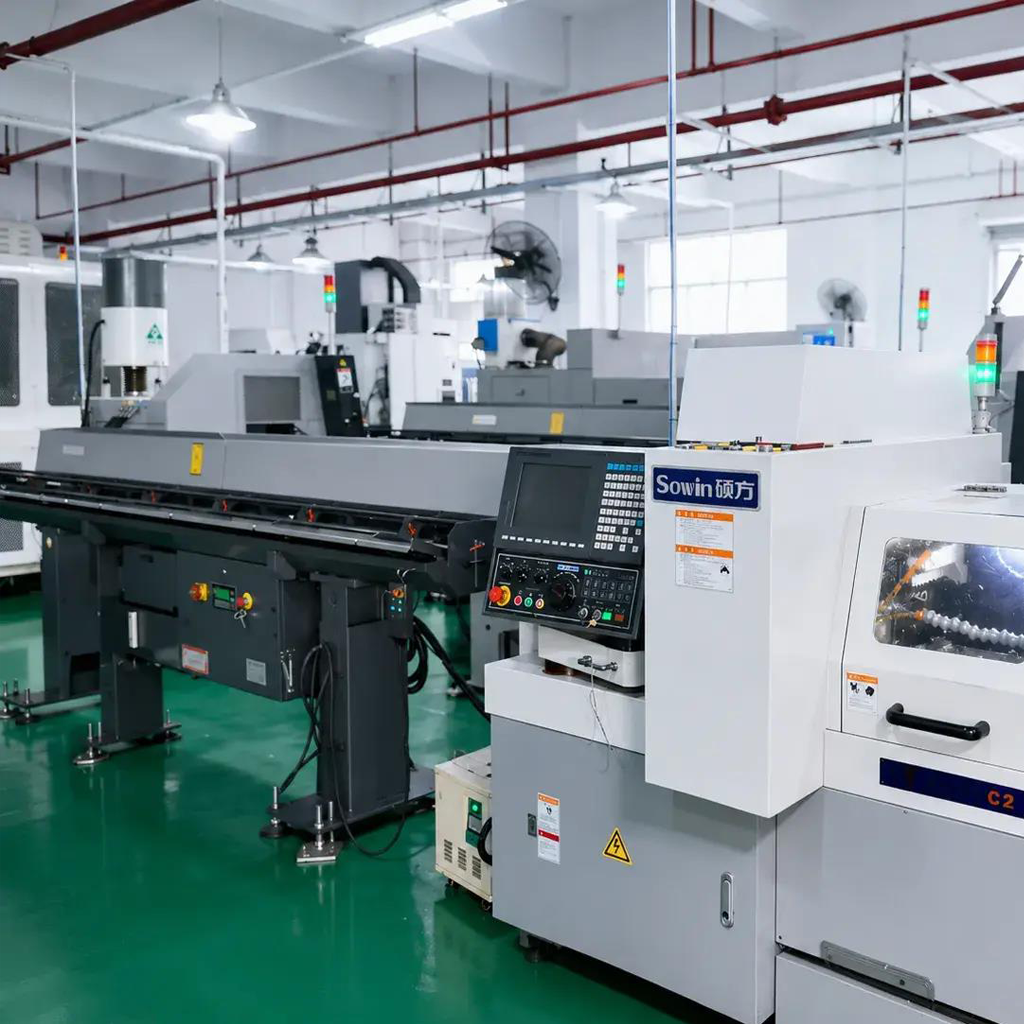
CNC machining encompasses a broad range of operations. Understanding each method helps buyers and engineers select the optimal approach for their specific components.
CNC Milling: Versatile Material Removal
CNC milling uses rotating multi-point cutting tools to remove material from a stationary workpiece. The process excels at creating flat surfaces, slots, pockets, and intricate 3D contours.
The evolution of milling technology is defined by axis configurations:
3-Axis Milling: Movement along X, Y, and Z axes. This is the most common and cost-effective option for straightforward parts requiring basic drilling, profiling, and contouring operations.
4-Axis Milling: Adds rotational movement to the 3-axis setup. This enables machining of angled features and complex geometries in fewer setups, ideal for parts requiring additional precision.
5-Axis Milling: Simultaneous movement along five axes. This represents the gold standard of precision manufacturing, allowing extreme complexity and tight tolerances in a single setup. The aerospace and medical sectors rely heavily on 5-axis machining for critical components.
CNC Turning: Precision Cylindrical Machining
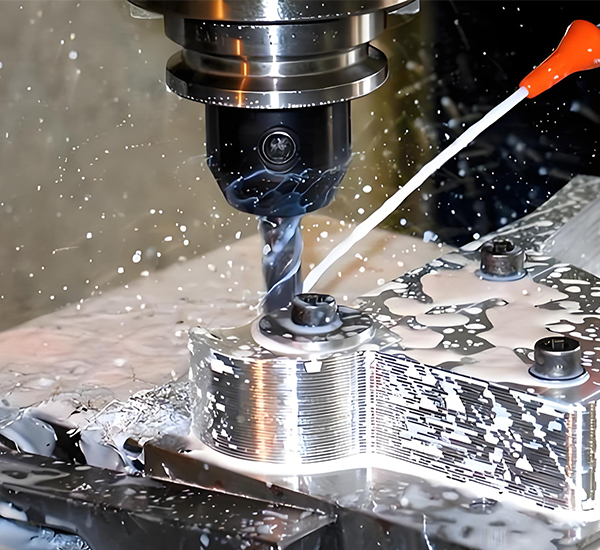
CNC turning is the process of choice for cylindrical components. A computer-controlled lathe rotates the workpiece while stationary cutting tools shape the material into the desired form.
Two primary machine types dominate this category:
CNC Lathes: Specialize in precision turning operations. Ideal for shafts, bushings, and valve components—parts that require high concentricity and smooth surface finishes.
CNC Turning Centers: Combine turning with milling, drilling, and tapping capabilities. These multi-tasking machines produce complex parts in a single setup, significantly enhancing efficiency and accuracy while reducing handling time.
CNC Drilling: Accurate Hole Creation
CNC drilling automates hole-making operations with computer-controlled precision. The process delivers consistent hole placement, diameter, and depth across production runs.
Applications span virtually every industry—from printed circuit boards to automotive engine blocks and medical device housings. Key advantages over manual drilling include superior accuracy, repeatability, and the ability to drill complex hole patterns automatically.
Electrical Discharge Machining (EDM): Intricate Cavities Made Possible
EDM uses controlled electrical sparks to erode material and produce complex shapes that would be impossible with conventional cutting tools.
The workpiece is submerged in dielectric fluid while sparks are generated between an electrode and the material surface. Two main types exist:
Sinker EDM: Uses a shaped, consumable electrode to create cavities and complex 3D forms
Wire EDM: Uses a thin, moving wire to cut intricate contours and profiles with exceptional precision
EDM is invaluable for mold making, die manufacturing, and producing components with sharp internal corners or delicate features.
CNC Laser Cutting: Speed and Precision for Sheet Materials
CNC laser cutting has become a staple of industrial manufacturing. The process uses high-powered lasers—CO₂, Nd, and Nd:YAG types—to vaporize material with exceptional precision and minimal heat-affected zones.
Key advantages include:
Exceptional cutting speed
Minimal material waste
Clean, burr-free edges
Ability to process a wide range of materials
Excellent repeatability for mass production
Laser cutting is particularly valuable in automotive, aerospace, and electronics industries where precision and efficiency are paramount.
CNC Plasma Cutting: Heavy-Duty Material Processing
CNC plasma cutting is widely used in large-scale industrial applications for cutting electrically conductive materials—steel, stainless steel, aluminum, brass, and copper.
The process uses a plasma torch to create an electrical arc that melts and vaporizes material at the point of contact. A high-pressure gas stream then expels molten material, resulting in a clean, precise edge.
Plasma cutting stands out for:
High-speed operation
Versatility across material thicknesses
Cost-effectiveness compared to other cutting methods
Minimal deformation and discoloration
CNC Materials and Surface Finishes: What Can Be Processed?
Common CNC Machineable Materials
Virtually any machineable material can be processed with CNC technology. The most frequently specified materials include:
Metals:
Aluminum— lightweight, excellent machinability, widely used
Stainless Steel— high strength and corrosion resistance
Titanium— exceptional strength-to-weight ratio
Brass & Copper— good conductivity, decorative applications
Carbon Steel & Alloy Steels— structural and industrial uses
Other Materials:
Engineering Plastics (ABS, Nylon, POM, PEEK)
Wood and Wood Composites
Foam and Modeling Materials
The selection of material directly impacts machining parameters, tool selection, and final part performance.
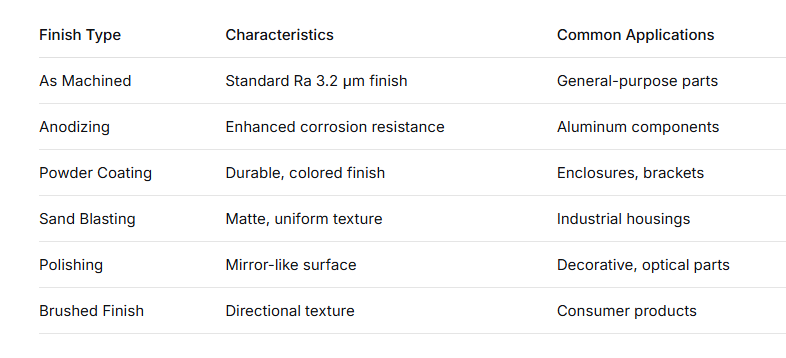
Standard Surface Finishing Options
Surface finish significantly affects aesthetics, corrosion resistance, and functional performance. Common CNC finishes include:
Why CNC Machining Matters: Key Advantages
CNC machining delivers compelling advantages that make it the preferred choice for precision manufacturing worldwide:
1. Superior Precision and Consistency
Computer-controlled operations eliminate the variability inherent in manual machining. Each part matches the digital specification exactly, ensuring consistent quality across production runs.
2. Complex Geometries Made Easy
Multi-axis capabilities enable the production of parts that would be impossible or prohibitively expensive using conventional manual methods. Intricate curves, deep cavities, and fine details are all achievable.
3. Reduced Production Costs
Despite higher initial capital investment, CNC machining offers lower per-part costs through:
Automation and reduced labor requirements
Minimized material waste
Consistent quality—fewer rejects and reworks
Shorter cycle times
4. Enhanced Worker Safety
Automation removes operators from direct contact with cutting tools, high temperatures, and hazardous environments. Modern CNC machines incorporate advanced safety features for operator protection.
5. Scalability and Repeatability
Once a program is validated, the same part can be produced thousands of times with identical quality. This makes CNC machining ideal for both prototyping and high-volume production.
Industry Applications: Where CNC Machining Excels
CNC machining is ubiquitous across virtually every manufacturing sector:
Aerospace
Turbine blades, structural components, and critical fasteners demand the tight tolerances that only advanced CNC machining can deliver.
Automotive
Engine blocks, transmission components, and lightweight EV parts rely on CNC precision for performance and durability.
Medical Devices
From surgical instruments to orthopedic implants and MRI components, CNC machining meets stringent regulatory requirements while enabling rapid innovation.
Electronics
Frames, housings, and connectors for consumer and industrial electronics are produced at scale with consistent quality.
Robotics and Automation
CNC machining enables rapid prototyping and production of sophisticated robotic parts with quick design modifications.
Defense and Heavy Industry
High-end CNC machines produce weapons components, aircraft parts, and heavy-duty equipment requiring uncompromising quality.
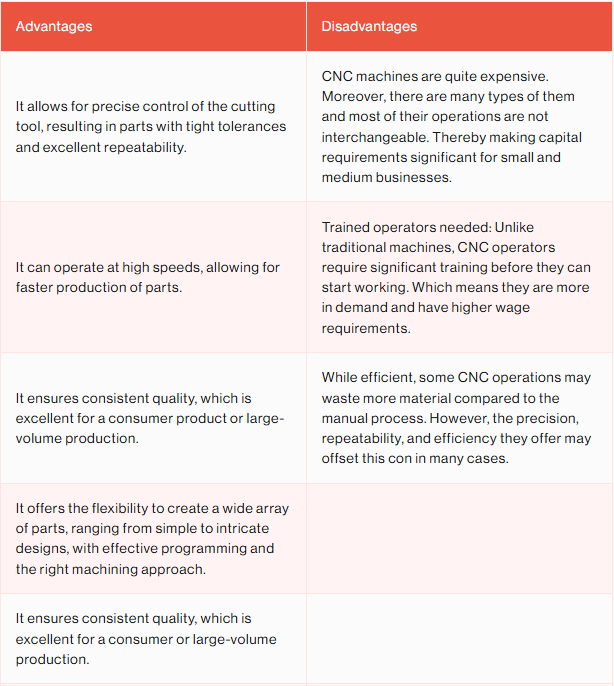
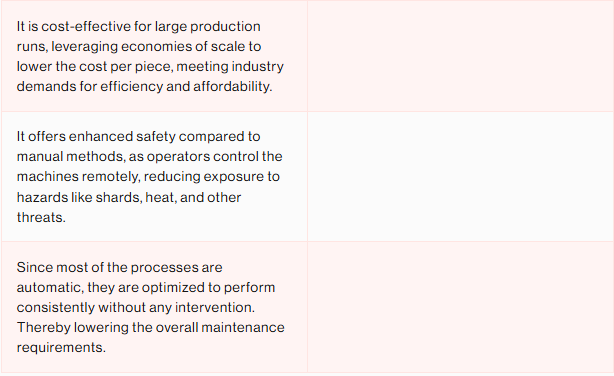
Main Pros and Cons of CNC Machining
Here are the main advantages and disadvantages that CNC machining offers:
Conclusion
CNC machining remains the cornerstone of modern precision manufacturing. Its ability to produce complex parts with unwavering accuracy, consistency, and efficiency makes it indispensable across industries. From laser cutting and electrical discharge machining to multi-axis milling and turning, the technology continues to evolve, driving innovation and enabling new possibilities.
For businesses seeking reliable, high-quality precision manufacturing services, understanding these processes, materials, and capabilities is the first step toward making informed sourcing decisions. Whether you need prototyping, low-volume production, or mass manufacturing, CNC machining delivers the precision and performance that modern industry demands.
Frequently Asked Questions(FAQs)
1. What is the difference between CNC milling and CNC turning?
In CNC milling, the cutting tool rotates while the workpiece remains stationary. The tool moves along multiple axes to remove material and create complex shapes. In CNC turning, the workpiece rotates while a stationary cutting tool removes material—this process is optimal for cylindrical parts such as shafts and bushings.
2. What materials can be processed with CNC machining?
Virtually any machineable material can be CNC machined. Common metals include aluminum, stainless steel, titanium, brass, copper, and various steel alloys. Common engineering plastics include ABS, nylon, POM, PEEK, and acrylic. Wood, composites, and foam are also machinable.
3. What surface finish can I expect from CNC machining?
The standard "as machined" finish is Ra 3.2 μm (125 μin) . Finer finishes—down to Ra 0.4 μm (16 μin) or better—are achievable through additional processes like grinding, polishing, or lapping, though these add time and cost.
4. What tolerances can CNC machining achieve?
Standard CNC milling holds ±0.005″ (±0.127 mm) . With careful setup and advanced equipment, most mills achieve ±0.001″, and high-precision machines with temperature control can reach ±0.0002″ on small features in favorable materials.
5. Which industries use CNC machining most extensively?
Aerospace, automotive, medical devices, electronics, robotics, defense, and general manufacturing are the largest users. Each industry demands the precision, repeatability, and material versatility that CNC machining provides.
6. Is CNC machining fully automated?
CNC machining is highly automated but not entirely hands-off. While machines run on pre-programmed software and follow CAD/CAM instructions, operators are still required for setup, fixturing, tool changes, quality inspection, and maintenance. Complex parts may require additional manual intervention, but automation is continuously increasing.