

CNC Surface Finishing Explained: A Complete Guide to Processes, Roughness Standards, and Selection
Introduction
Selecting the right surface finish for CNC machined parts can be challenging. With numerous processes available, each offering distinct advantages and limitations, the wrong choice can significantly impact part performance—leading to reduced efficiency, compromised durability, or increased costs.
A poor finish selection can cause premature corrosion, inadequate heat resistance, or poor coating adhesion, triggering costly delays, frequent part replacements, and diminished market competitiveness.
This guide provides an in-depth analysis of CNC surface finishing technologies, common treatment methods, and practical guidance on selecting the optimal finish for different materials and applications.
What Is Surface Finishing in CNC Machining?
Surface finishing in CNC machining refers to the post-processing operations applied to a machined part to modify or improve its surface properties. After a part is produced using CNC milling, turning, or drilling, its surface may still contain machining marks, tool paths, or rough textures. Finishing processes refine these surfaces to meet specific requirements.
These finishing methods can improve several aspects of a component:
Surface roughness — smoothing out tool marks and imperfections
Visual appearance — enhancing aesthetics for consumer-facing products
Mechanical performance — improving wear resistance and fatigue life
Corrosion resistance — protecting against environmental degradation
Wear resistance — extending component service life
Depending on the application, surface finishing may serve functional improvements, aesthetic enhancement, or both.
Why Surface Finishing Matters
Surface finishing plays a crucial role in ensuring that CNC machined parts meet the performance and quality requirements of modern products.
Corrosion Resistance
Many metal components are exposed to moisture, chemicals, or harsh environments, which can lead to oxidation or corrosion over time. Surface treatments such as anodizing or electroplating help protect the material and extend its lifespan.
Wear Resistance
Certain finishing processes increase surface hardness, allowing parts to withstand friction and repeated mechanical contact without excessive wear—essential for moving components in automotive and industrial applications.
Aesthetic Enhancement
For products such as consumer electronics, automotive interior components, and medical devices, surface texture and color play an important role in overall product design and brand perception.
Industry Compliance
Surface finishing also helps meet industry standards and functional requirements:
Medical devices require smooth surfaces for hygiene and patient safety
Aerospace components demand corrosion resistance and durability under extreme conditions
Consumer electronics often require decorative finishes for aesthetic appeal
Common Types of CNC Surface Finishes
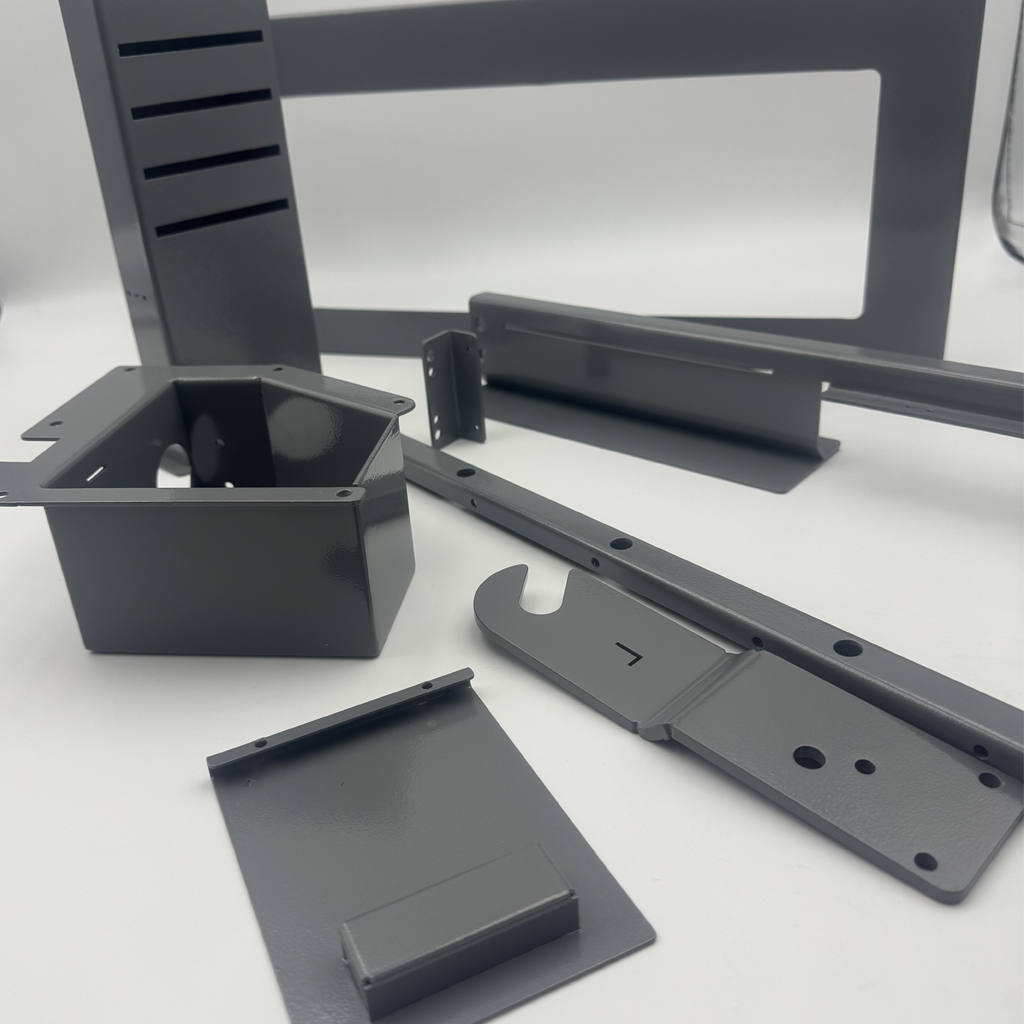
Understanding the different CNC surface finish types is essential for selecting the right one. Some finishes are purely aesthetic, while others enhance functionality. Here are the most common options:
As Machined
The surface finish is attained directly from the machine, with no additional treatment applied.
Effect: Not very smooth, with visible tool marks. Not ideal for parts requiring a neat appearance.
Application: Best suited for internal components, prototypes, or parts that will not be visible.
Bead Blasting
This process utilizes small glass or ceramic beads propelled at high velocity to refine the surface.
Effect: Softens, refines, and enhances the overall surface texture, often with a uniform matte appearance.
Application: Ideal for visible parts requiring a consistent, non-reflective finish.
Anodizing
Anodizing is an electrochemical process that creates a protective oxide layer on the surface of aluminum and other non-ferrous metals.
Effect: Provides a passive layer with varying shades and finishes, along with enhanced corrosion resistance.
Application: Widely used for electronics enclosures, outdoor products, and architectural components.
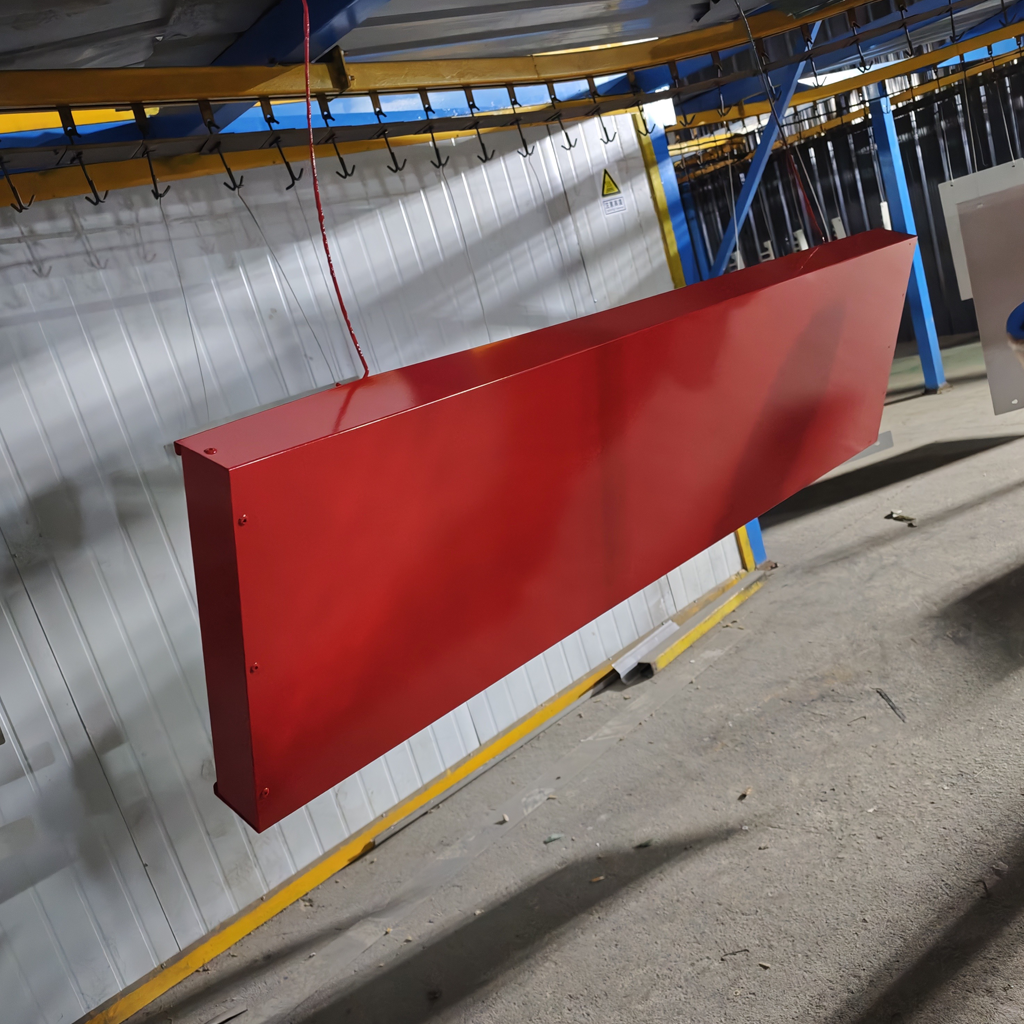
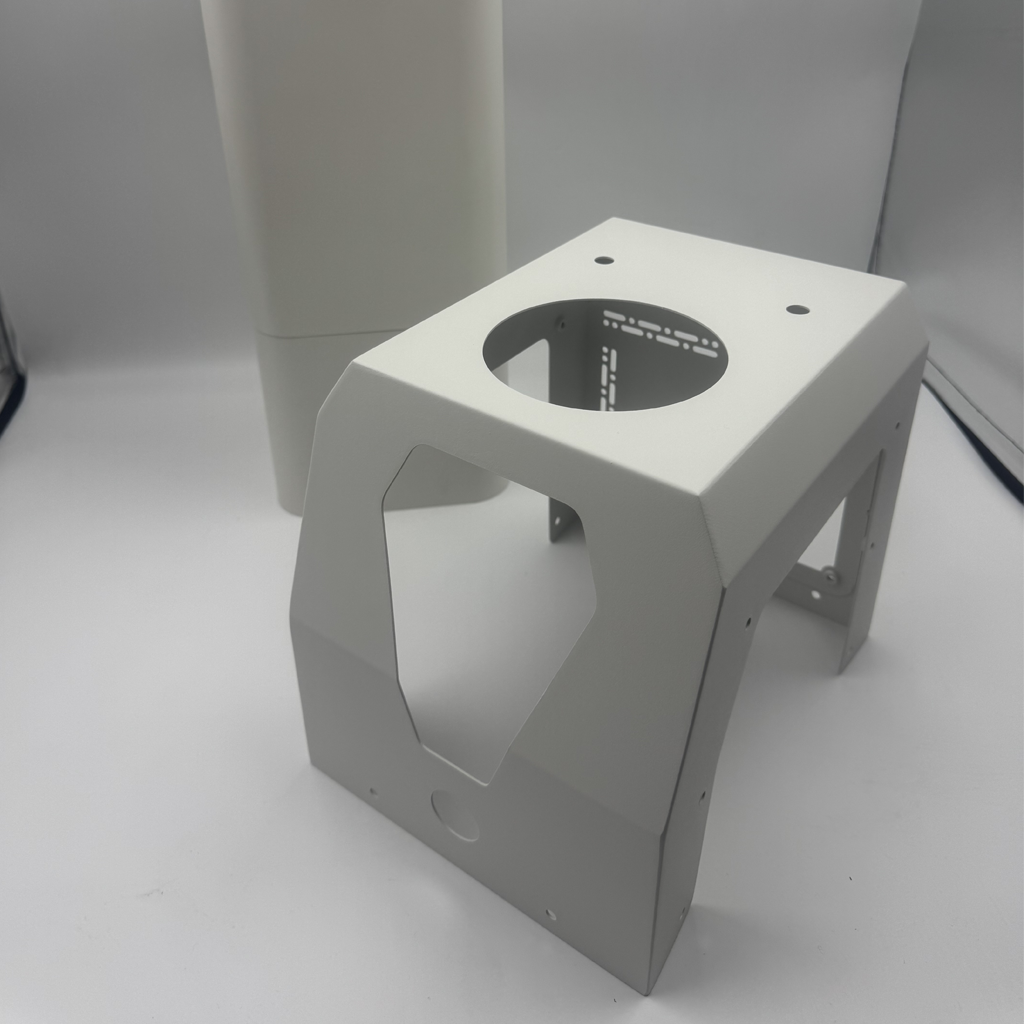
Powder Coating
This technique applies dry powder electrostatically and then cures it under heat to achieve an even, durable coating.
Effect: Creates an even, multi-layered coating with improved resistance to corrosion, oxidation, and impact.
Application: Commonly used for handles, machine frames, and metal furniture.
Polishing
Polishing smooths surfaces through mechanical or chemical means, reducing roughness and enhancing reflectivity.
Effect: Achieves an ideal finish for aesthetics with a fully smooth, reflective surface.
Application: Recommended for decorative items, medical devices, and instruments requiring a polished grade.
Electropolishing
Electropolishing is an electrochemical process that removes a thin layer of material to achieve a smooth, clean surface.
Effect: Provides a uniform, highly clean finish by smoothing micro-peaks and valleys.
Application: Utilized for medical components, food-grade equipment, and stainless steel parts.
Understanding Surface Roughness Levels
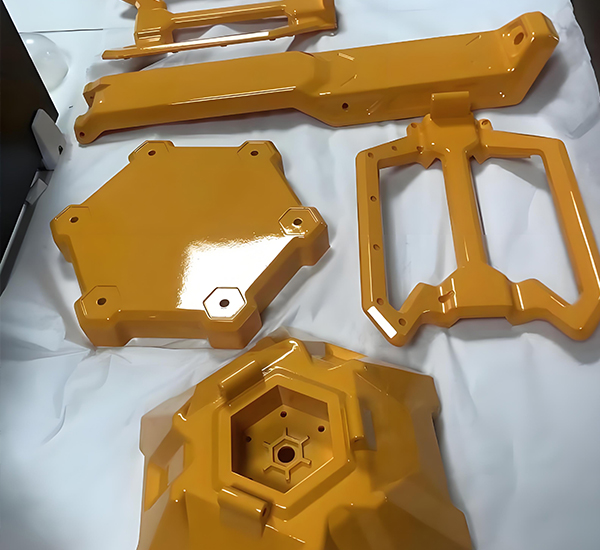
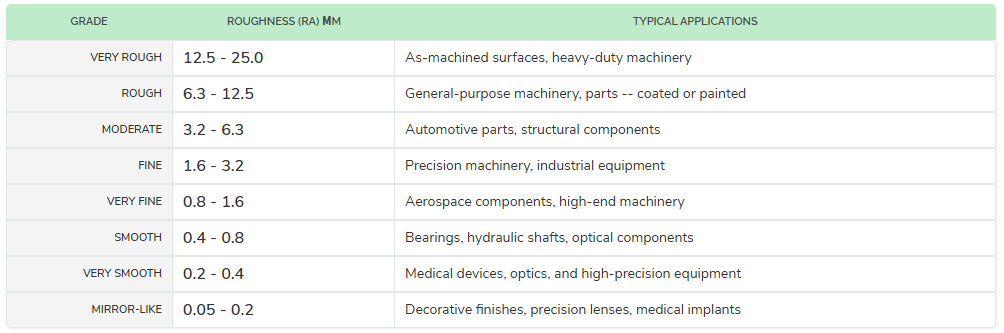
Surface roughness is a critical aspect of CNC machined parts, influencing factors such as friction, wear resistance, sealing performance, and overall aesthetics. It measures the small, finely spaced deviations on the part's surface, usually evaluated in Ra (Roughness Average).
Rough (Ra: 6.3 – 12.5 µm)
Characteristic of an "as-machined" finish, where noticeable tool marks are visible. Suitable for applications where high friction is required or for internal components where aesthetics aren't a priority. However, increased friction may hinder sealing and accelerate wear in dynamic components.
Moderate (Ra: 3.2 – 6.3 µm)
Often referred to as a fine or semi-finished surface, achieved with secondary processing like milling or turning at lower speeds or with finer tools. Smooth enough for machinery components and automotive parts where moderate aesthetics are important.
Smooth (Ra: 0.8 – 3.2 µm)
Achieved through careful cutting or secondary operations like grinding. Smooth surfaces reduce wear in moving parts and provide a better foundation for painting or coating. Commonly used in aerospace and precision engineering components.
Very Smooth (Ra: 0.4 – 0.8 µm)
Approaching a mirror-like quality, typically achieved by precision grinding, honing, or lapping. Perfect for high-precision components like bearings, hydraulic shafts, and other moving parts requiring low friction and excellent wear resistance.
Mirror-Like (Ra: 0.05 – 0.4 µm)
Achieved through processes like lapping, polishing, or electropolishing. Reserved for applications where visual quality and minimal contamination risk are paramount—crucial for optical components, medical devices, and decorative parts.
What Is the Standard Surface Finish for CNC?
The answer depends on the part's function, but the most common standard is Ra 3.2 μm (125 μin) .
This is the default finish of a basic milling or turning operation without any extra grinding or polishing. It provides reasonable quality and cost-effectiveness for elements that do not require a very high degree of smoothness—commonly used in mechanical components, brackets, housings, and internal parts.
How to Choose the Right Surface Finish
Selecting a CNC surface finish might feel overwhelming at first, but answering these five straightforward questions will clarify your requirements:
1. What Will the Part Be Used For?
For internal or concealed components, an as-machined finish is often sufficient. For aesthetic or demanding applications, smoother finishes or protective coatings may be necessary.
2. How Smooth Does It Need to Be?
If your part will engage with other components, a smoother surface reduces friction and wear. Choose a finish that achieves the required roughness without over-engineering.
3. Does Appearance Matter?
For products that customers can see or touch, appearance is significant. Finishes like bead blasting, anodizing, or powder coating give your component a polished, professional look—often available in multiple colors.
4. Will It Be Used Outdoors or in Harsh Conditions?
For parts exposed to water, heat, or chemicals, look for a finish that adds protection. Anodizing or powder coating adds a layer of defense against rust, wear, and damage.
5. What's Your Budget?
Some finishes are cost-effective, while others may be pricier. Start with your must-have requirements—in many cases, the standard finish is more than adequate.
Conclusion
Surface treatment in the CNC machining process is of great significance. It not only improves the appearance quality of the part but also significantly enhances its durability and performance.
Different finishes—such as anodizing, powder coating, electropolishing, and passivation—offer unique mechanical, electrical, and protective properties to address varying operational requirements. Understanding surface roughness levels, from "as-machined" to "mirror-like," helps ensure that each part meets its functional needs efficiently.
Ultimately, choosing the right finish means achieving higher performance, reducing maintenance costs, and optimizing overall product value.
About Ofiniti Hardware
Your Dedicated Manufacturing Partner
With over thirty years of expertise, Ofiniti Hardware Industry Co., LTD (www.ofinitihardware.com) delivers end-to-end custom solutions—from concept to finished product. Located in Guangzhou, our 15,000m² facility houses four specialized workshops, enabling comprehensive manufacturing under one roof.
Core Capabilities:
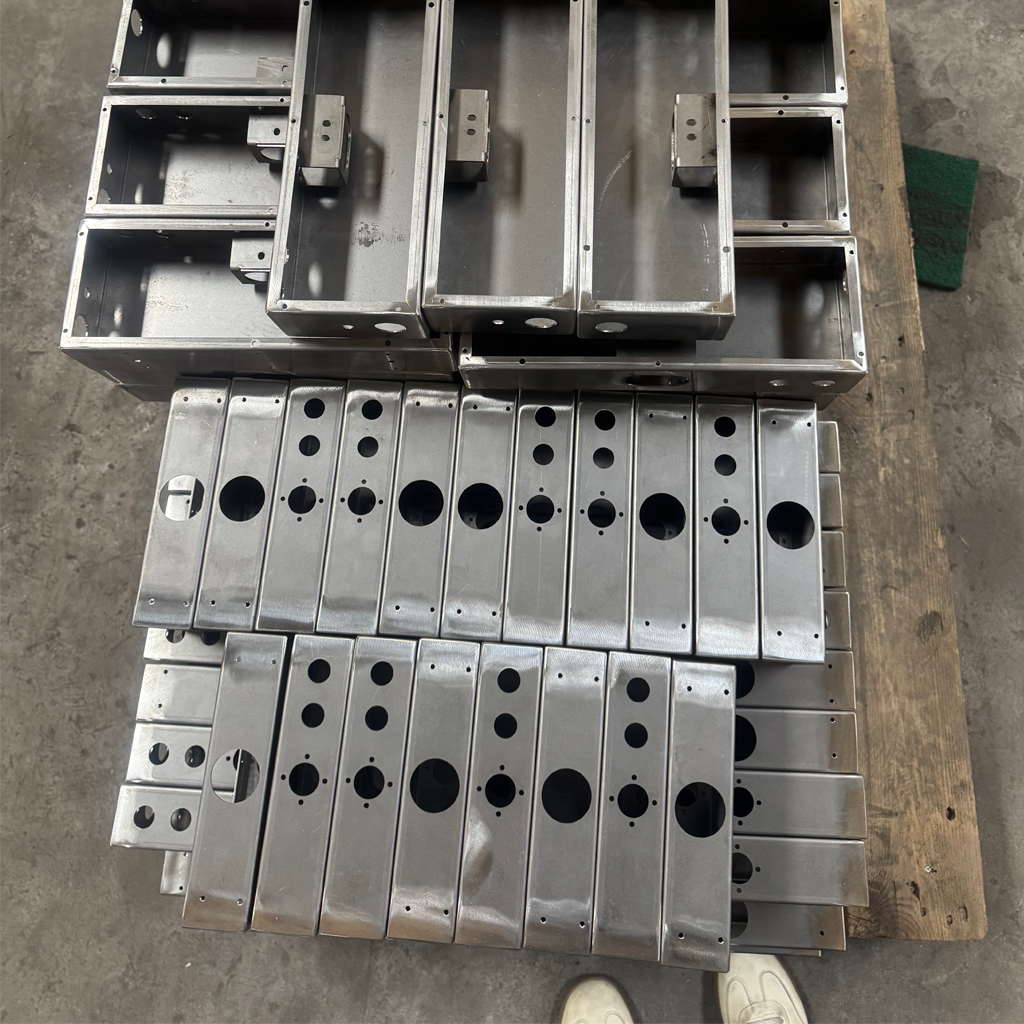
Surface Finishing: Powder coating, anodizing, polishing, and bead blasting
Advanced Processes: Precision stamping, multi-axis CNC machining, 5‑axis machining, laser cutting, and precision casting
Quality Assurance: Over 20 inspection checkpoints with full traceability
DFM Support: Early-stage design analysis to prevent issues and optimize costs
Workshops: Material cutting | OEM sample & hardware manufacture | CNC machining | Powder coating
Main Products: Metal shells, automotive parts, cabinets, electrical boxes, stage lighting parts, furniture, and CNC workpieces
Collaboration Process: Drawings → Inquiry → Quotation → Sampling → Production & Inspection → Delivery
We serve not just orders, but trust. Contact Ofiniti Hardware and transform your vision into reality.
Frequently Asked Questions
1. What is the purpose of surface finishing?
Surface finishing protects parts from wear, corrosion, and chemical attack while improving their appearance. The appropriate finish can also enhance functionality by increasing wear resistance, controlling friction, sealing pores, or adjusting electrical properties. Critical surfaces and tolerances should be specified so finishing is applied where required without compromising fit or function.
2. What's the difference between surface finishing and surface roughness?
Surface finishing refers to any post-processing applied to a part after machining to change its appearance or performance. Surface roughness is a quantitative measure of small-scale surface irregularities—the Ra parameter represents the average of all surface heights measured across a given area.
3. What surface finish is best for CNC machined parts?
The best surface finish depends on the material, functional requirements, and desired appearance. Common options include anodizing, bead blasting, polishing, powder coating, and electropolishing. Each offers distinct benefits for different applications.
4. Does surface finishing increase CNC machining cost?
Yes, surface finishing usually increases manufacturing cost because it adds extra processing steps. However, it can significantly improve durability, corrosion resistance, and product quality—often delivering long-term value that outweighs the initial investment.
5. What preparation is needed before applying surface finishes?
Masking may be required to protect specific surfaces or holes because some finishes add material thickness. Added thickness can interfere with threaded holes and tight tolerances, so critical areas should be identified and protected before finishing.